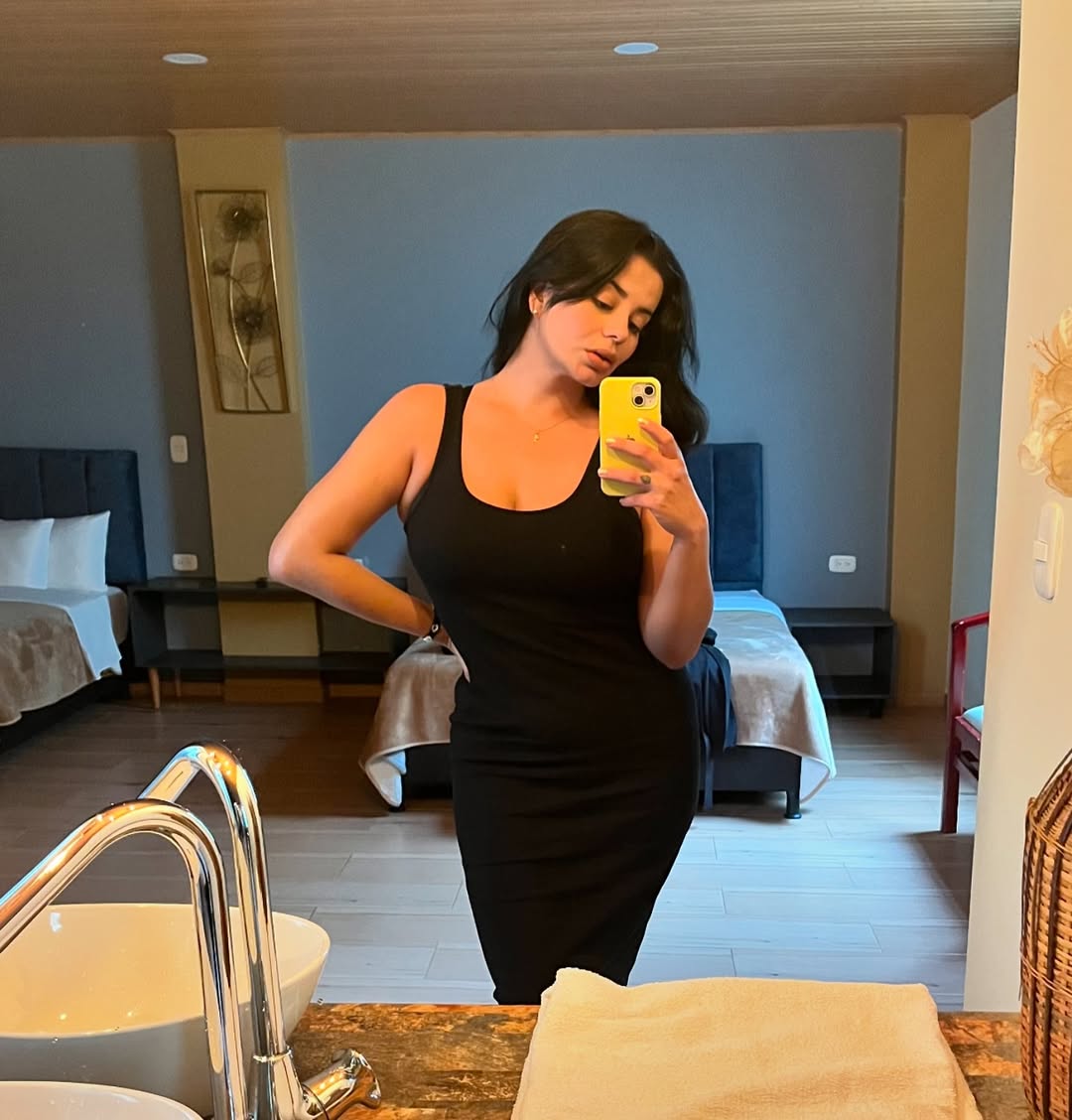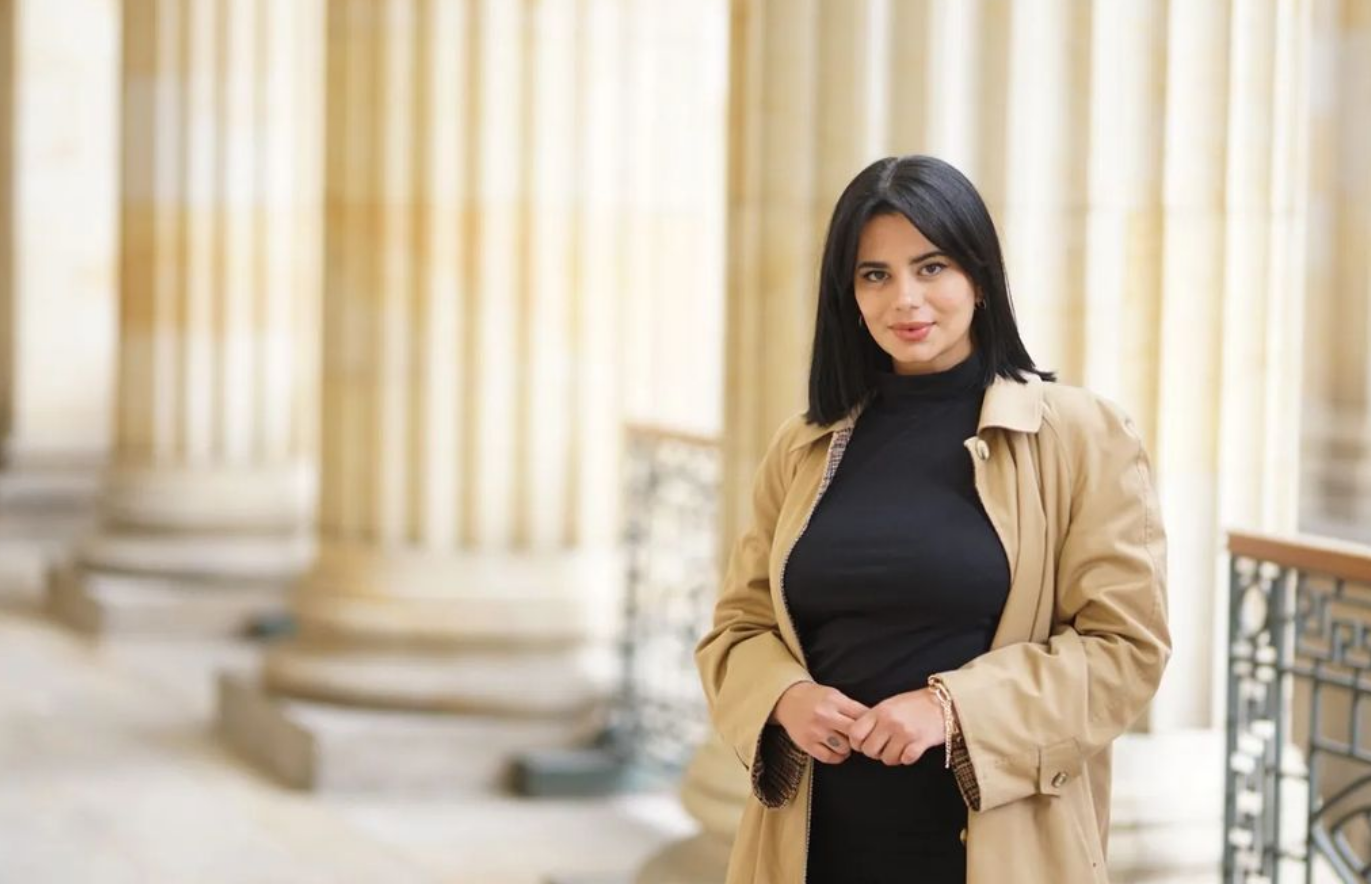
Portraits
Amaranta Hank
Amaranta Hank is the professional name of Colombian writer and journalist Alejandra Omaña, also a senator. Her public life connects reporting from the Venezuelan border, books, cultural events and an earlier career in adult performance.
Amaranta Hank
The person behind the name
Born in Cúcuta in 1992 and raised in nearby Villa del Rosario, Alejandra Omaña began working in journalism and communication at eighteen. The border region gave her early reporting its subjects: everyday life shaped by conflict, inequality and the movement between Colombia and Venezuela. Writing became the medium in which she felt most at home.
As Amaranta Hank, she developed a separate public profile through adult performance while continuing to write and speak about her experiences. Her work also includes editing, literary events and community media. Books remain a thread across those different roles, from her early border stories to the later personal chronicle Desnuda. Her public name has literary roots of its own.
Books, border stories and a reader’s influencesA border childhood, a reporter’s attention
Cúcuta and Villa del Rosario belong to the Colombian border region where Omaña grew up. In her early journalism, she returned to the social realities of that landscape. Armed conflict and the lives of people at the border became subjects for reporting and, later, for a book.
Her first writing for SoHo grew from that local knowledge. In a 2018 interview, she recalled telling an editor who initially approached her about photographs that she wanted to write. The resulting piece concerned the border she knew, giving her an opening as a contributor.
Finding a medium that fitted
A Spanish teacher encouraged her to consider communication studies. Omaña recalled studying at the Universidad de Pamplona in Cúcuta and imagining a future as a presenter. She also considered law, before exploring the practical possibilities of television, radio and writing during her student years.
The university’s television channels gave her a chance to try presenting, but she did not enjoy the experience. Radio was another experiment that failed to hold her interest. Writing proved different. In later interviews she returned to that discovery as the beginning of a lasting relationship with words.
Working around books and local media
Her professional experience extends beyond a byline. She has edited texts, coordinated the Fiesta del Libro de Cúcuta and directed community media. Press work and digital communication also form part of her career, alongside the more visible roles of author and public speaker.
These jobs placed her in different parts of the cultural and media world: working with other people’s writing, helping organise a literary gathering and communicating with local audiences. The book festival connects her regional roots with an enduring interest in literature, while her own books gave that interest a further outlet.
A name borrowed from literature
Amaranta comes from Amaranta Buendía in Gabriel García Márquez’s Cien años de soledad. Hank points to the literary world of Charles Bukowski. The name therefore carries two reading influences into a public identity that became widely associated with her earlier adult-performance career.
She has discussed that part of her working life in interviews and subsequently in her writing. It sits alongside, rather than replacing, her journalism and literary activity. In a 2022 conversation, she described writing as something she expected to keep throughout her life, whatever other professional roles she took on.
Public conversations about rights
In 2022, Hank discussed her work with Astrasex, an association of sex workers and activists. She described an organisation encompassing different gender identities, sexual orientations and forms of work. Her comments focused on people’s welfare and on the stigma attached to their occupation.
The following year she joined Argentine writer Georgina Orellano in a public discussion in Bogotá. Idartes, the city’s arts institute, reported their conversation about rights and destigmatisation. The appearance brought her writing and lived professional experience into a cultural forum, with discussion and exchange at the centre.
A role in Colombia’s Senate
Colombia’s Senate lists Alejandra Omaña among its senators. Her official profile names the Second Committee and the Peace and Post-conflict Committee. The parliamentary entry presents her earlier work in journalism, culture and regional communication as part of her professional background.
The same profile lists an institutional email address and links to her public social accounts. These are the channels associated with her parliamentary identity as Alejandra Omaña. They provide a separate context from the artistic name through which many readers first encountered her interviews and books.
Portraits